ROADMAP
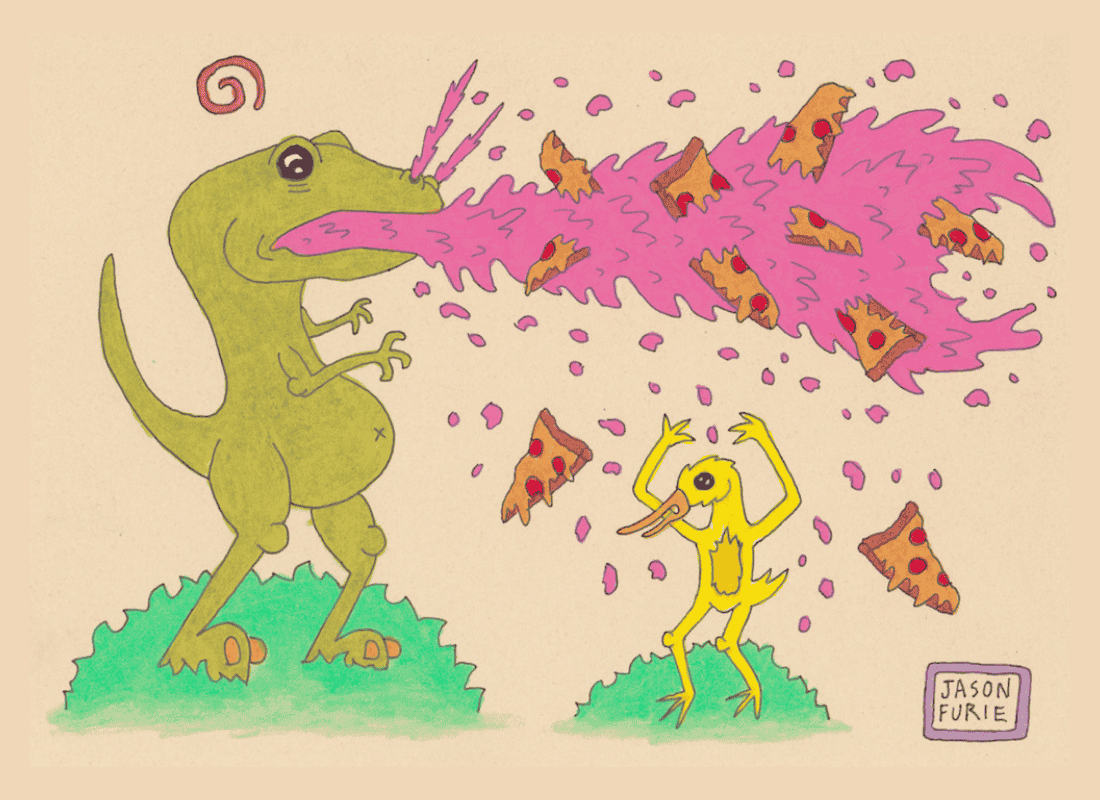
$DUCK is inspired by DUCK, a character that appears across multiple artworks by Jason Furie. While not as widely known as some of the other characters from the Furie universe, DUCK has shown up repeatedly in Jason’s illustrations and carries the same surreal, expressive style that made his art recognizable online.
Over time, certain characters from internet art have taken on lives of their own through organic online culture. In a similar way that Matt Furie’s character Pepe the Frog became closely associated with Ethereum, $DUCK explores the idea of DUCK existing as a Solana-native meme asset.
$DUCK has no affiliation, endorsement, or official connection with Jason Furie or Matt Furie yet, but strong attempts are being made to onboard the artist and direct creator fees towards them. It is a meme token created independently, inspired by internet art culture and the natural evolution of recognizable characters in digital spaces and is aimed to attain widespread adoption.
Roadmap
Supply Design and Capital Discipline
PHASE 1
Initial State
- Total supply is fixed.
- Eighty eight percent of tokens are in circulation.
- Fourteen percent of tokens are locked.
The circulating supply is established early to avoid artificial scarcity and delayed dilution.
PHASE 2
Capital Recycling
- Creator fees are allocated to open market buybacks.
- Tokens acquired through buybacks are added to the locked supply.
This mechanism ties ecosystem activity to direct supply absorption rather than redistribution.
PHASE 3
Locked Supply Treatment
- Locked tokens are not returned to circulation.
- Upon each unlock period, tokens enter a predefined linear burn process.
- Burns occur gradually and are observable on chain.
The intent is controlled supply reduction without discretionary intervention.
PHASE 4
Long Term Outcome
- Circulating supply remains structurally stable.
- Total supply trends downward over time through continued buybacks and burns.
The system prioritizes transparency, predictability, and long term alignment over short term incentives.